-
-
Mon - Fri 7:30 - 17:30
-
Hasanağa OSB Mh. 5. Cd. No:6 Nilüfer/BURSA 16280

Dust Collection System Design
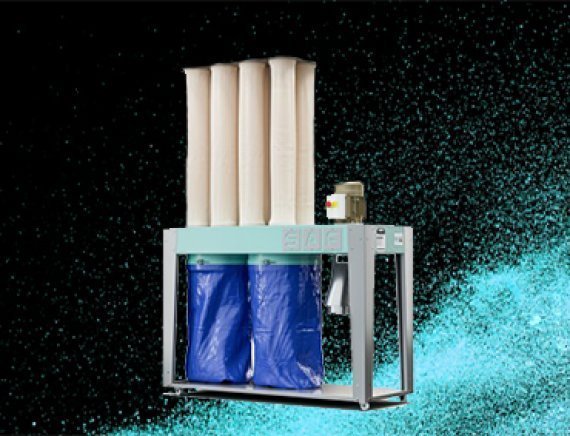
Dust Collection System Design
Dust collection is a system discipline. Effective results come from correct airflow engineering, not simply installing a larger collector. Design begins with identifying dust generation points and determining which sources must be captured simultaneously. The required airflow for each point is combined into a total system demand, then translated into a duct layout that minimizes losses.
Proper duct sizing ensures dust stays suspended and reaches the collector. Excessive elbows, poor transitions, and leakage raise static pressure and increase fan power. A fan should be selected to meet target airflow at the calculated system resistance, with consideration for future expansion when needed.
Filtration performance depends on surface area, media type, and cleaning control. Differential pressure based cleaning often improves stability and reduces compressed air waste compared to fixed-timer operation. Safe discharge into sealed containers, big bags, or silos supports housekeeping and reduces exposure.
Well-designed dust collection delivers cleaner operations, improved compliance, and lower total cost of ownership through energy savings and reduced maintenance interruptions.